
Call us today on 0161 682 5300
Email: sales@clarkeand.co.uk

How to get the most out of a property viewing
A viewing is often the only real chance you get to look at a home properly before you commit to it, and half an hour goes quickly. Nearly 1 in 4 UK homeowners have walked away from a home they loved during the viewing process, according to research from Confused.com, and for most of them it came down to cost.
Knowing what to look for, and what to ask while you are there, puts you in a far stronger position when it comes to making an offer.
Why do buyers change their minds after a viewing?
Money is usually the deciding factor. The asking price was the most common reason buyers withdrew, followed by the amount of renovation work needed and the cost of likely repairs. Around a quarter pulled out after a survey picked up structural problems.
First-time buyers were more likely to step back than people who had owned a home before, and repair costs were a particular concern for them. A new boiler or a roof repair soon after you move in is a significant bill on top of everything else a move involves.
The encouraging part is that most of this is visible at the viewing stage once you know where to look.
Decide your non-negotiables first
It helps to know what matters most to you before you walk through the door. More than half of homeowners said room size, the structure of the property and parking were things they would not compromise on. Inside the home, natural light came out top, followed by a downstairs toilet and a bathtub.
Some compromise is normal, and most people give way on something, usually size, move-in condition or budget. Very few compromise on flood risk or structural soundness, and those are the two worth holding firm on.
Writing your list down before the first viewing makes it much easier to compare properties afterwards, when the details start to blur.
What should you check on the building?
This is where a careful look pays off.
Damp, leaks and cracks. A musty smell, dark patches on walls or ceilings, and peeling paint can all point to damp. Check that the kitchen and bathroom are properly ventilated, as poor ventilation is a common cause. Diagonal cracks are worth asking about, since they can indicate movement, while fine vertical cracks are usually less significant.
The boiler and heating. Ask how old the boiler is and when it was last serviced, and request the service certificates if there are any. Boiler breakdowns are not usually covered by standard home insurance, so this is a cost worth understanding in advance.
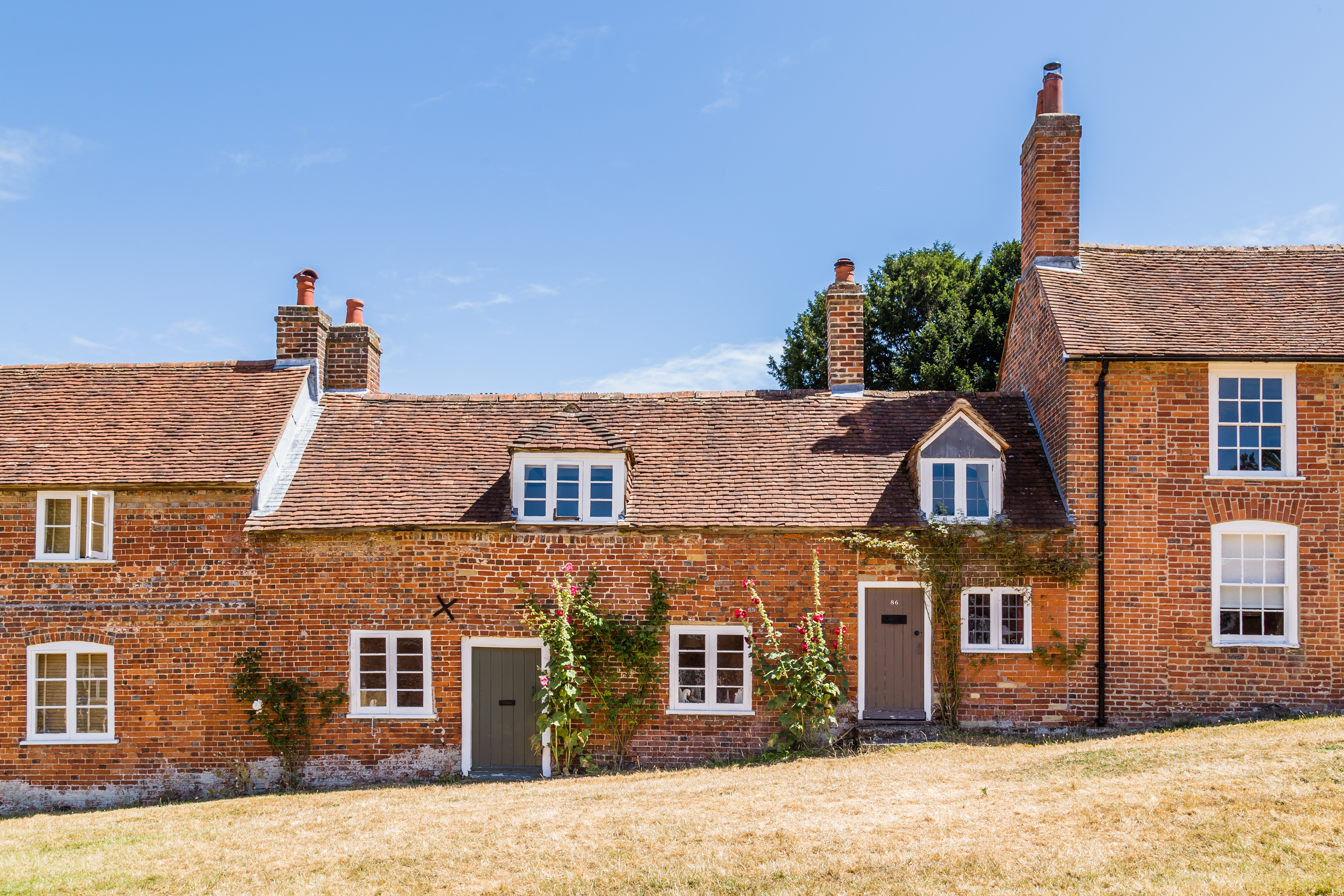
The roof, gutters and windows. Walk around the outside of the property. Look for slipped tiles, sagging gutters and tired window frames. In older homes, check the brickwork for cracks.
Signs of flooding. Warped floors, staining on skirting boards and a lingering mouldy smell are all worth noting. Ask whether the property has ever flooded, and check its flood risk online before you offer.
Any rooms you cannot access. If a room or a loft is off limits, ask why. It is a reasonable question and the answer is usually straightforward.
The age of the property. It affects maintenance, running costs and insurance, and it shapes whether renovation work is worth taking on.
A survey is always worth the money. Structural movement can be difficult to spot, and settlement that has been stable for decades is a very different matter to movement that is ongoing. Your agent can point you towards a RICS surveyor, and most survey findings turn out to be far less serious than they first sound.
Spend time in the area, not just the house

The house might be right and the street still wrong. Walk around the neighbourhood before or after your viewing. Look at the local shops, the parks and green spaces, and check the schools even if you do not have children, since catchment areas affect prices.
Look at the neighbouring properties too. Are they well kept? Is there pressure on parking? Visit at different times of day and on different days of the week. A quiet street at 11am on a Tuesday can feel very different at half past five on a Friday.
View the property more than once
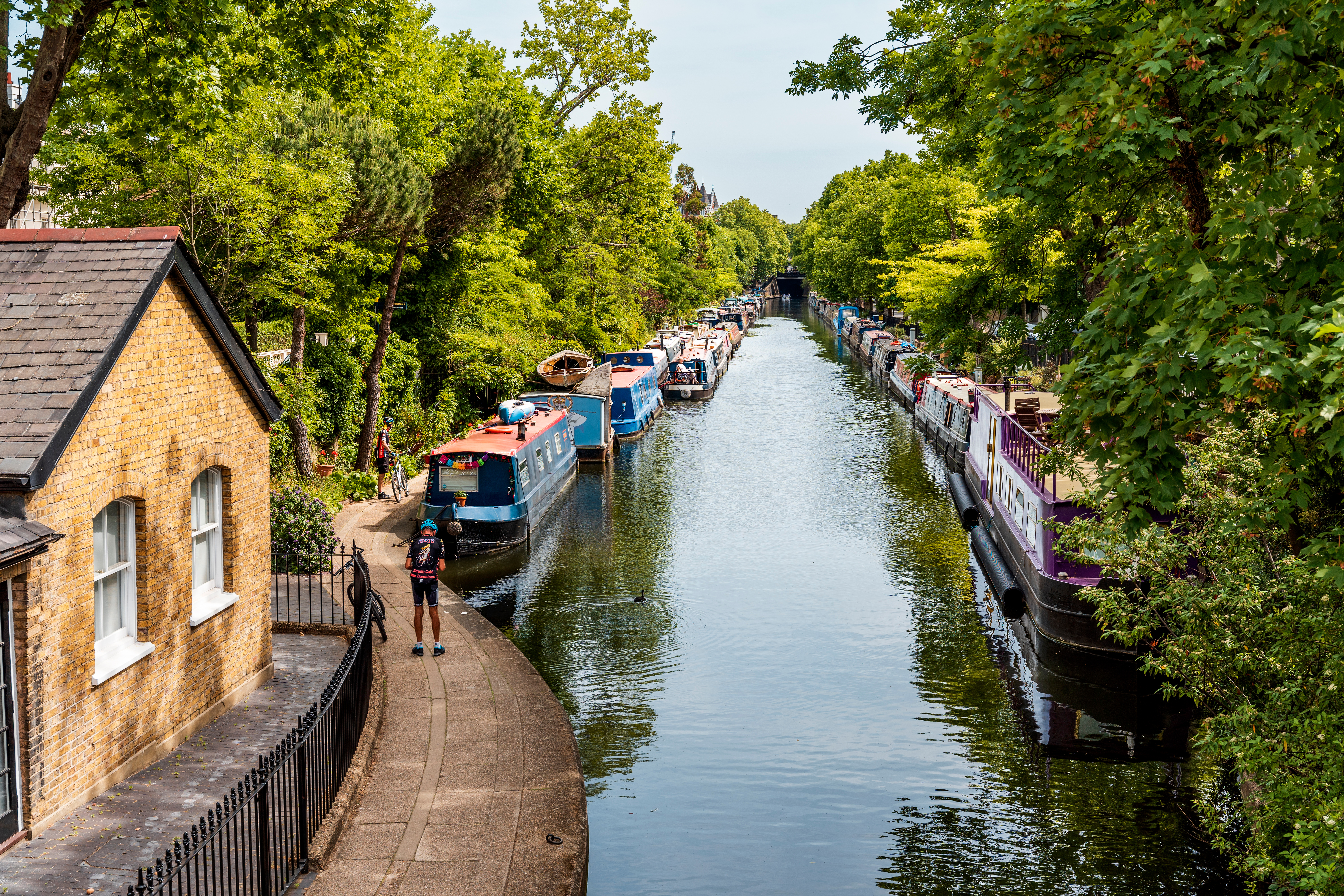
Around a third of homeowners wish they had looked into a property more thoroughly before making an offer. A second viewing costs you nothing. Go back at a different time, ideally when the weather is poor, and take someone with you for a second opinion. Photographs and a short video are useful for looking back on once you are home and comparing properties.
When you are inside, sit down. You will spend most of your time in a house seated, and the view from an armchair is not the view from the middle of the room. Check what you can see out of the window from where you would actually sit. Then stay quiet for a minute and listen. Traffic, trains, neighbours, birdsong. It all tells you something.
Questions worth asking at a viewing
Write your questions down before you go. These are a good place to start:
How old is the boiler, and when was it last serviced? Are the electrics and fuse board up to date? Do the doors and windows lock and operate properly? What is the council tax band? What are the typical running costs? Has the property ever flooded or had subsidence? Why is the seller moving, and how long has the property been on the market? If there are solar panels, has the roof been leased?
Check the cost of home insurance before you offer
Only 30 per cent of homeowners check what home insurance will cost before they make an offer, and a number of those who go on to take out cover find it more expensive than they expected.
Matthew Harwood, home insurance expert at Confused.com, said: "When you're enquiring about a property, it's important to check for major issues like subsidence or flood risk. These can push up the cost of your home insurance and could leave you with costly repairs. You can also run home insurance quotes before you put an offer in, giving you an idea of what the cost may be."
Running a few home insurance quotes takes a couple of minutes and gives you a realistic figure to build into your monthly budget.
Frequently asked questions
What should you look for when viewing a house?
Check for damp, cracks, and the condition of the roof, gutters and windows. Ask about the boiler's age and service history, the council tax band, and whether the property has ever flooded. Look at the area as well as the house, and arrange a second viewing before you offer.
What questions should you ask at a house viewing?
Ask how old the boiler is and when it was serviced, whether the electrics are up to date, what the council tax band is, what the running costs are, whether there has been any flooding or subsidence, and why the seller is moving.
How long should a house viewing take?
Give yourself at least half an hour, and longer if you can. An extra fifteen minutes spent looking properly is time well spent on a decision of this size.
Should you view a house twice before making an offer?
Yes. A second viewing at a different time of day gives you a much fuller picture of the property and the street. Taking someone with you is worthwhile too, as a second opinion often catches what you miss.
Should you check home insurance costs before buying a house?
It is a sensible step. Issues such as subsidence or flood risk can affect premiums, and running a quote before you offer means you know what to expect rather than finding out after you have committed.
Looking for a home where you can really make the most of the seasons? Get in touch with your local Guild Member for expert advice, or try our free online valuation tool to find out what your home is worth.

The Guild is a UK-wide network of hand-selected independent estate agents across the UK. Whether you are buying, selling, letting, or renting, explore where our Members are.
How to get the most out of a property viewing
Common mistakes first-time buyers often make

A guide to downsizing your home
Buying a new build: All you need to know
Contact us
About us
Clarke & Co operate from offices in Chadderton and Lees, serving potential house buyers and sellers throughout the North Manchester and Oldham area.
